



Queer joy

UD professor Eric Layland studies the thorny politics of feeling good
All trauma, all the time.
For decades, research into queer life focused solely on discrimination, stress and stigma. Mainstream film and television (when they featured queer characters at all) explored the same. The entire LGBTQ experience flattened into a single hardship narrative. Queer identity became synonymous with struggle.
So what happens when that’s the only story people see?
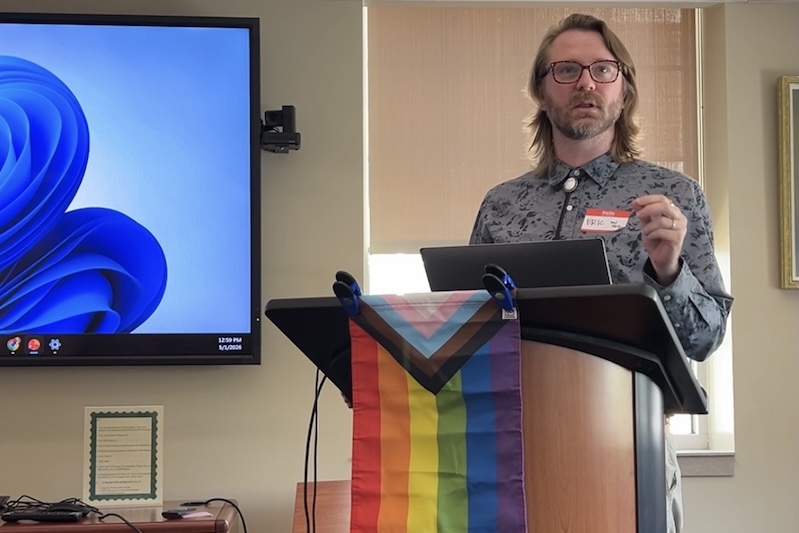
This is the question driving University of Delaware researcher Eric Layland, among the first academics in the country to tackle the flipside: queer joy. Not a slogan or some corporate mood board during Pride Month, but a lived emotional experience.
His Queer Joy Project, which is currently analyzing responses to a multi-year survey of nearly 600 LGBTQ participants, poses deceptively simple questions: What does queer joy look like? Who gets access to it? And why does it matter now?
Below, Layland talks about Netflix, radical happiness and the thorny politics of feeling good.
Q: How did you get into this work?
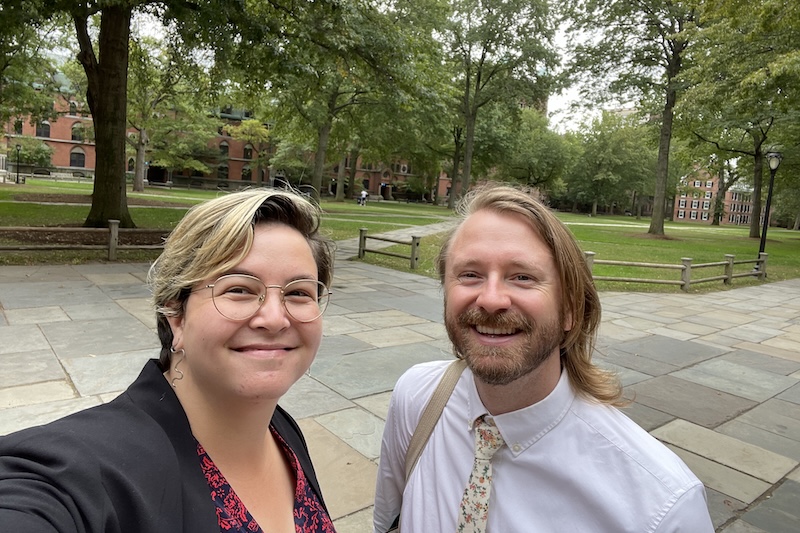
Layland: My collaborator, Ilana Seager van Dyk of Massey University in New Zealand, and I were both doing postdoctoral work at Yale focused on health disparities, stigma, stress and clinical interventions. It was important work — but honestly, we felt worn down by constantly studying harm in communities we’re also part of ourselves.
We knew from our own lives, friendships and communities that queer existence isn’t only defined by suffering. There’s joy. There’s resilience. There’s connection. And we weren’t seeing that reflected in psychology and developmental research.
So we wanted to make space for the full story.
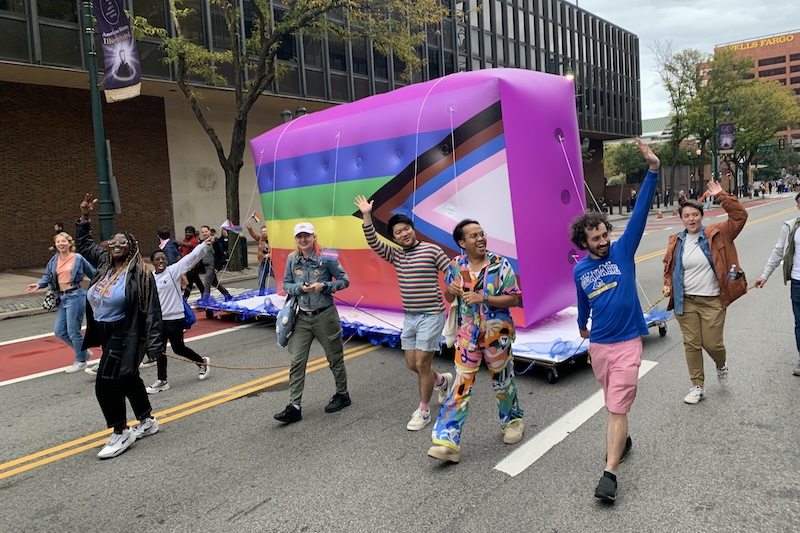
Q: Let’s start with the obvious question: What is queer joy?
Layland: That’s both the most basic question and the hardest one to answer — because we’re still figuring it out.
Part of this project is asking community members how they define it themselves. And people define it differently. For some, queer joy involves the positive emotional and social experiences specifically tied to identity: coming out, finding queer community and culture, experiencing affirmation, fighting for queer and trans rights. For others, any joy they experience is queer joy.
There isn’t one singular definition yet. That’s part of what makes it interesting.
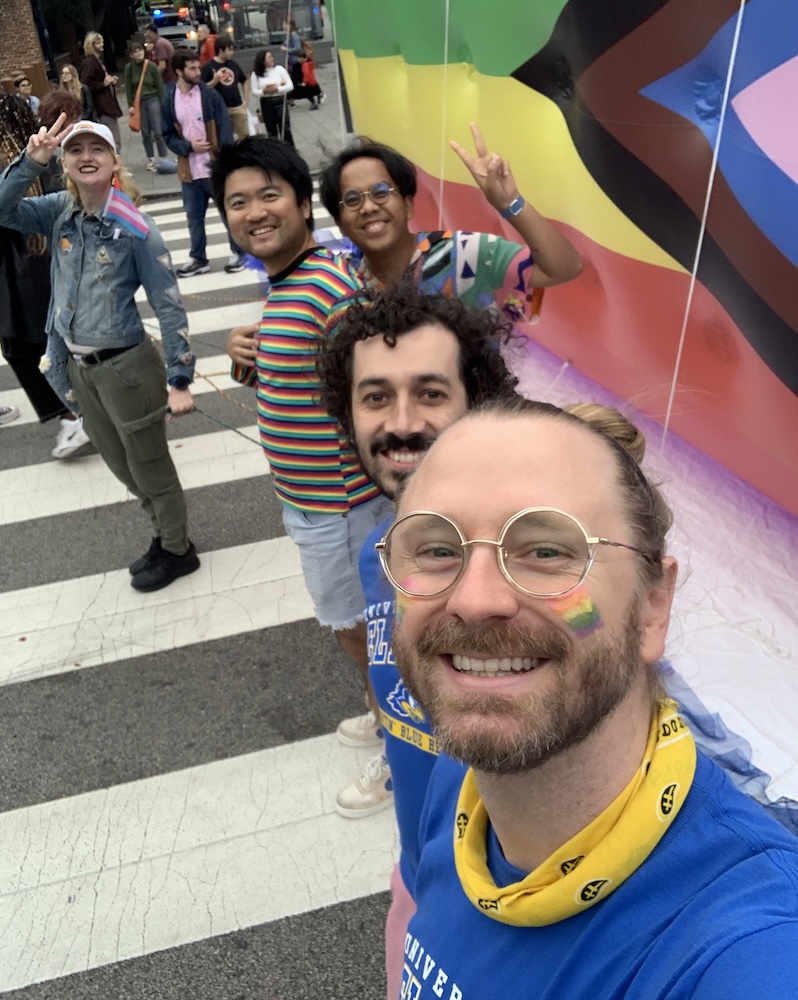
Q: What do we lose when mainstream narratives frame queer life primarily through hardship?
Layland: If all queer people ever see is loss, suffering or danger, it becomes incredibly difficult to imagine a future where they thrive. Representation isn’t just visibility — it’s possibility.
Q: What about straight people? Why does this work matter for them?
Layland: It expands understanding. A lot of people outside the queer community still interact with LGBTQ people in their daily lives — friends, coworkers, family members — so narratives that include hope and belonging don’t stay abstract. They shape real relationships and real responses. For example, when a parent learns their child is queer, having already seen stories of queer people thriving in media or culture can make it easier to imagine not just survival, but a genuinely positive future for that child. They’re working not from narratives of crisis, but possibility.
That said, this research is for queer people first. These untold narratives of joy and thriving belong to our community. And if documenting and understanding these stories through research helps allies support our communities, that’s a bonus.
Q: Have you uncovered anything in your research that challenged your own assumptions?
Layland: I think I came into this work assuming joy happened after pain — that people reached joy once they’d healed or overcome suffering. But many participants describe the two as intertwined. Joy is not an endpoint. It’s not something people unlock once discrimination disappears. People can experience joy and suffering at the same time. For many, feeling joy is bittersweet, a reminder of how long they went without it.
Q: At what point does celebrating joy start to feel like airbrushing over pain? How do you strike the right balance?
Layland: That tension is very real.
Acknowledging joy doesn’t mean discrimination is over. In many ways, conditions for certain queer communities — especially trans people — have worsened since we started this research.
So the answer can’t be replacing one narrative with another. It has to be both. There is hardship, and there is joy. There is discrimination, and there is resilience.
What we also have to recognize is that joy isn’t equally accessible to everyone. Some participants directly told us: “This doesn’t apply to me. People like me don’t get access to queer joy.” That was an important reminder that identity, race, disability, class, geography and generational experience all shape how possible joy feels.
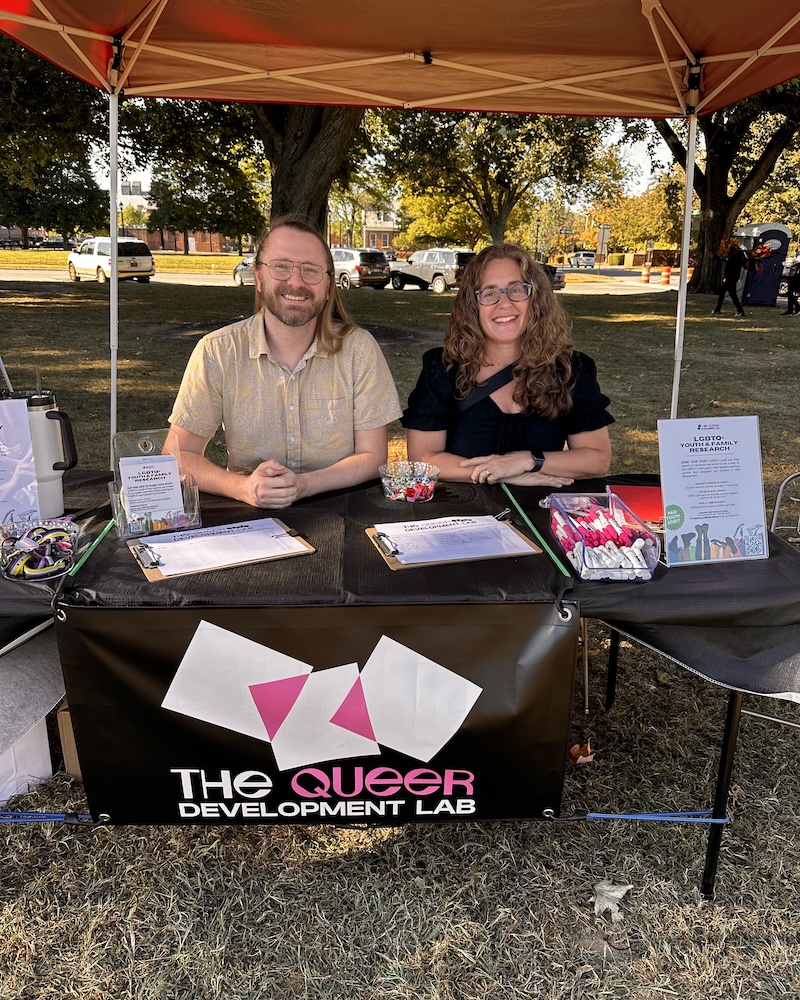
Q: Some participants describe queer joy as a form of resistance. What does that mean?
Layland: For some, resistance is explicit: activism, organizing, witnessing collective action. But for others, simply finding happiness in an identity they were taught would ruin their life feels radical.
Q: Have you experienced pushback from the queer community?
Layland: The response has been overwhelmingly positive and encouraging, but it’s important that we listen to the critical feedback we received, too. Some people do not want their joy to be politicized or treated clinically. There isn’t one unified response. The term queer itself is charged and politicized and has been for decades, so reactions vary.
Q: Can you give examples of queer joy in pop culture?
Layland: People in our survey regularly mentioned the film Heartstopper on Netflix as warm, colorful, emotionally safe — a depiction of queer identity that wasn’t centered entirely on trauma. The other top responses were TV series: Sex Education and Our Flag Means Death.
Q: Is there a risk that “queer joy” becomes commodified and packaged by corporations the same way Pride has been?
Layland: Absolutely. We think about that a lot. There’s always a risk that once a concept enters mainstream culture, it gets flattened into branding. That’s why we’ve tried to let community members define the term rather than imposing a rigid academic framework onto it.
Q: One of the more fascinating parts of the project is the writing exercise you conducted. What happened there?
Layland: We asked participants to write about one of the most positive experiences they’ve had connected to their LGBTQ identity: what happened, who was there, how it felt. After just three minutes, participants reported increased feelings of joy and pride and lower negative affect. It’s preliminary, but this suggests that intentionally reflecting on positive queer experiences may have measurable emotional benefits.
Q: Are universities doing enough to support queer joy?
Layland: Honestly, the people doing the best job creating those spaces are students. They’re organizing events, building coalitions, creating networks of support and joy for one another. And they’re doing it from the ground up.
Q: Has this work changed your own life?
Layland: My job now has these pockets of joy and delight. I still study discrimination and inequity, and that work matters. But this research creates moments where queer people get to focus on what’s beautiful in our communities, too. One of the most meaningful parts has been hearing students say this is the first time they’ve gotten to work on something positive about queer and trans life.
That matters.
Photo illustration by Jeffrey C. Chase. Photos courtesy of Eric Layland.