



Research Spotlight: Jingwen Zhou and Stephanie Del Tufo

UD shares new research on the link between parental mental illness and childhood socioeconomic status
Mental illness is among one of the most common health conditions in the U.S., with over one in five adults living with a mental illness. Many of these individuals are parents — more than one in 14 children are in the care of an adult living with a mental illness. In light of these statistics, University of Delaware researchers examined how parental mental illness affects the economic and social resources available to children.
In a new study published in Frontiers in Psychology, UD doctoral student Jingwen Zhou and assistant professor Stephanie Del Tufo investigated the association between parental mental illness and childhood socioeconomic status (SES), a complex group of social and economic indicators that predict a child’s short- and long-term educational, developmental and health outcomes. The study offers a broader and more inclusive understanding of parental mental illness than prior research. After analyzing nationally representative data from nearly 6,000 children and their parents, Zhou and Del Tufo found that poorer parental mental health is significantly linked to more disadvantaged childhood SES in home and school settings.
“Children with higher SES tend to have parents with greater educational attainment, more stable employment and higher household incomes, all of which shape the resources and opportunities available to them,” said Del Tufo, who studies neurocognition across the lifespan in UD’s College of Education and Human Development (CEHD). “Children from socioeconomically disadvantaged backgrounds tend to have access to fewer of those resources and are more likely to attend schools with a higher concentration of other economically disadvantaged students. In charting this connection, our study lays the groundwork for understanding the role of parental mental health in the socioeconomic disparities children experience across both home and school settings.”
Most studies that investigate the links between parental mental health and childhood SES focus on maternal mental health, narrowing their scope to a single condition like postpartum depression. Zhou and Del Tufo instead examined several conditions across both parents, including depression, mania and psychosis.
The study also provides a more comprehensive picture of childhood SES, moving beyond indicators like parental education, occupational standing and income. While Zhou and Del Tufo used these indicators to measure a child’s SES at home, they also examined SES in the school setting, including the number of students eligible for free and reduced lunch, as well as the proportion of economically disadvantaged students in a child’s school.“When we look at children’s socioeconomic background in more than just the home, we can better see how parents’ mental health shapes their opportunities at home and in other places, like their school and neighborhood,” said Zhou, who studies the impact of mental health on social mobility through CEHD’s Ph.D. in human development and family sciences program.
Zhou and Del Tufo’s findings show that parental mental illness is not only an individual-level issue that affects how well a caregiver functions, attends to their child or develops a relationship with them. In confirming the link between parental mental illness and a comprehensive measure of childhood SES, Zhou and Del Tufo find that parental mental illness affects multiple layers of a child’s development in both home and school settings.
Given the findings of the study, Zhou and Del Tufo offer recommendations for policy changes that help address the effects of parental mental illness directly.
“When mental health interventions for parents do exist, they tend to focus solely on treating individual symptoms, overlooking the socioeconomic conditions intertwined with mental illness,” Del Tufo said. “Effectively supporting these parents requires both accessible high-quality mental health care and broader socioeconomic support, including income assistance to meet basic needs, job training programs and educational accommodations.”
Zhou and Del Tufo also note that support for children is critical. School-based mental health services, academic supports, enrichment programs and community resource coordination serve as critical buffers against the potential negative effects of parental mental Illness. Their CEHD colleagues who specialize in school psychology agree.
“A child of a parent living with mental illness may not necessarily require additional supports in school or any other context. But others may navigate complex home environments,” said assistant professor Brittany Zakszeski, who specializes in K-12 school policies and practices that promote students’ well-being. “It’s important to ensure that schools have systems that are both proactive in identifying students at risk for poor outcomes and responsive in addressing the needs of students at risk.”
Typically, students needing additional support are identified through a teacher or caregiver’s referral for services and through universal screening, a systematic process in which students, their teachers and/or caregivers complete brief surveys about student functioning at regular intervals. Students identified as at risk for poor outcomes are then connected to supports aligned with their needs, which may be implemented by their classroom teacher or school mental health professionals.
“School-based services can provide a consistent space for connection and skill-building without requiring families to seek supports elsewhere,” Zakszeski said. “They may include increased access to a trusted adult in their school, small-group skill-building interventions or brief individual counseling.”
To learn more about CEHD research in the social determinants of health or school psychology, visit its research webpage.
Photos by iStock and Maria Errico and courtesy of Jingwen Zhou.
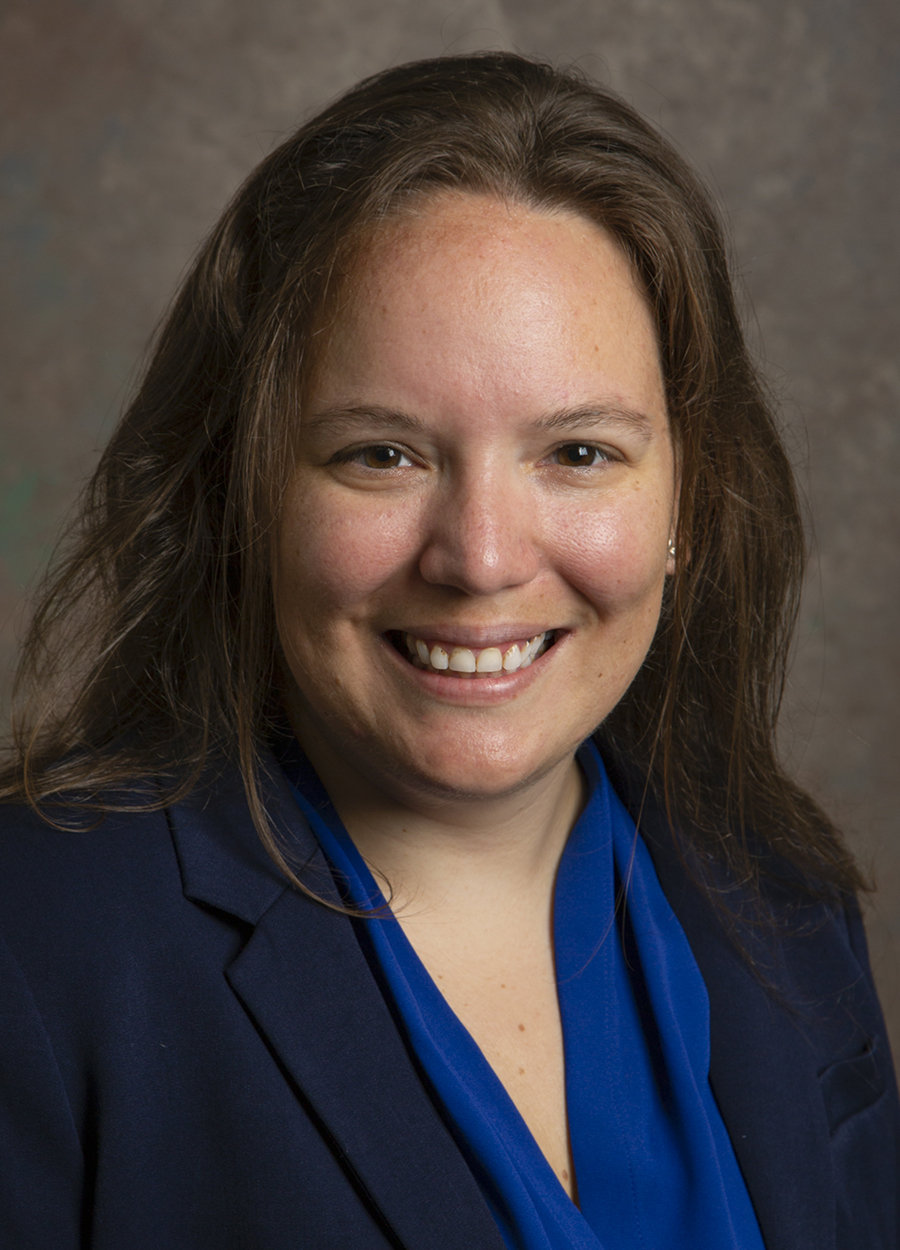
About Stephanie Del Tufo
Stephanie N. Del Tufo is an assistant professor in CEHD’s School of Education (SOE). Her research focuses on understanding the neurocognitive basis of individual differences in learning, language and literacy across the lifespan. She studies the developing brain in children through longitudinal research, the mature adult brain and the aging brain. She also considers biological and contextual factors, such as the socioeconomic environment in which a child grows up. She leads the Developmental and Aging Neuroscience Laboratory and teaches with SOE graduate programs, as well as UD’s Ph.D. in Interdisciplinary Neuroscience program.

About Jingwen Zhou
Jingwen Zhou is a Ph.D. student in Human Development and Family Sciences (HDFS) in CEHD’s Department of HDFS. Her research focuses on poverty, especially the impact of mental health on social mobility and public policy. Additionally, her work extends to the fields of school psychology, the life experiences of Asian Americans and discrimination among middle-aged and older adults.
This research complements the work of CEHD faculty studying the social determinants of health, Valerie Earnshaw, Heather Farmer, Allison Karpyn, Eric Layland, Abram Lyons, Kate Riera and Raphael Travis.