



Serving Students Who are Homeless
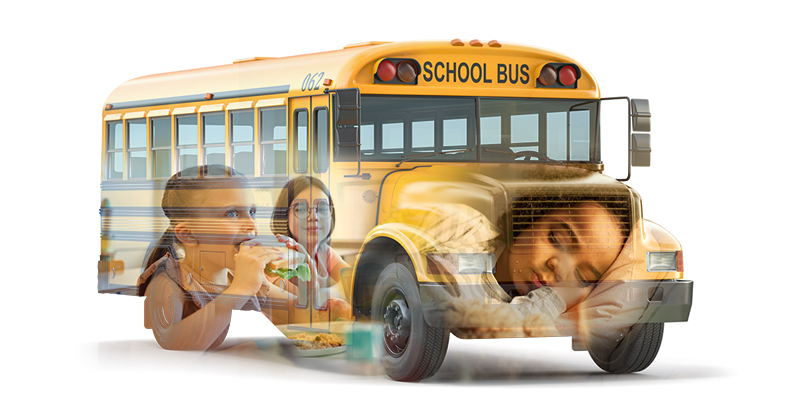
Associate Professor Ann M. Aviles shares guidance for supporting students experiencing homelessness
During the 2022-23 school year, the state of Delaware identified more than 4,400 students who lack a fixed, regular and adequate nighttime residence. As that number continues to grow, it may be surprising that these students and their families must balance meeting basic needs with simply attending school — a right protected for all children, regardless of housing status.

With a new book titled Serving Students Who Are Homeless: A Resource Guide for Schools, Districts, Educational Leaders, and Community Partners, University of Delaware Associate Professor Ann M. Aviles and her co-authors share guidance to help educators support students facing barriers to school success due to housing instability. We sat down with Aviles, who studies social policies and services in UD’s College of Education and Human Development (CEHD), to learn more.
Q: How would the challenges of homelessness affect a child in the classroom?
Aviles: Housing instability impacts every aspect of student and family life daily. Students are often worried about their families and preoccupied with where they will stay once school lets out or if they will be able to eat. This focus on securing basic needs can interfere with their ability to focus on class activities and assignments. Housing instability also impacts the small day-to-day routines of students, like having a space to complete homework or larger events like attending prom.
Q: How might a teacher, staff member or school leader know that a child is experiencing homelessness?
Aviles: Most states have a McKinney-Vento coordinator and district or school liaisons assigned to identify students experiencing homelessness and connect them to appropriate services. Since 1987, the federal McKinney-Vento Act has required that all children experiencing homelessness have access to a free public education, similar to their housed peers, and mandates school districts to provide resources that provide access to education, such as transportation, meals and other related services. Teachers, staff and administrators are required to engage in training yearly.
Q: How does this training help teachers support these students in the classroom?
Aviles: It helps them look for signs that students may be experiencing homelessness. Some of these signs may include consistently falling asleep in class, not having the school supplies they need, spotty attendance, transportation challenges or coming to school in the same clothing. The training also helps teachers and school staff understand that certain assignments or requirements can cause students serious emotional or academic duress.
Q: Can you give us an example of an assignment like that?
Aviles: Many assignments are developed with the assumption that students are stably housed and have access to the internet or other “basics” associated with middle- or high-income familial backgrounds. An assignment as simple as “Look in your cabinets at home and identify three objects that begin with the letter C” can pose serious emotional challenges. This can make students feel as though their situation is an anomaly — when, in reality, there are over 1.3 million school-age students who experience homelessness yearly.
Q: Your new book talks about how schools and districts can collaborate more effectively with social service organizations. Can you share one of your recommendations?
Aviles: We understand that schools cannot do it all. We recommend developing collaborative partnerships with local agencies that allow educators to focus more on learning and agencies to focus more on basic needs. We emphasize creating a community map with needs and resources. This is an opportunity for educators to identify what they know, or should know, about the needs of students and their families beyond academic demands and to better understand local resources that can help support basic needs.
Q: How would educators go about creating a community map?
Aviles: On an ongoing basis, teachers, school counselors and others might ask themselves, “What people, organizations or other local community institutions (like places of worship or food pantries) do we know or have relationships with?” This process helps school officials coordinate resources and build relationships with community leaders to support the subsistence needs of their students. This, in turn, supports student readiness for learning and engagement.
Q: How can parents and caregivers teach their children about the social issues related to homelessness or housing instability?
Aviles: Alexandra Pavlakis of Southern Methodist University and her colleagues created a great comic called “Uprooted, Voices of Student Homelessness,” which does a really good job of portraying the varied experiences of students navigating homelessness. I would also encourage families to teach their children that homelessness is often a result of inadequate services and policies that fail to protect vulnerable families from losing their housing. During the holidays, shelters and other nonprofits receive the most donations and assistance, but homelessness is a year-round issue. Acts of charity can help with immediate subsistence needs, but they won’t result in the needed structural change that can prevent or decrease rates of homelessness and housing instability for students and their families.
Housing resources for students and families in Delaware
UD’s Office of Student Support and Advocacy offers many resources for students struggling to maintain access to adequate housing, utilities or transportation. This office provides resources for those in need of food and supplies, clothing, child care and other support.
The state of Delaware also offers many resources and legal protections for individuals and families experiencing homelessness or housing insecurity. Among other initiatives, House Bill 439 protects people from discrimination based on their housing status when searching for housing, and House Bill 440 protects people from discrimination based on their housing status.
To learn more about HDFS research in housing stability and related issues, visit its family policy and services research webpage.
Photo illustration by Jeffrey C. Chase. Photo by Kathy F. Atkinson