Researchers by Topic
How can we build inclusive communities that cultivate healthy social-emotional development in children? Ann Aviles’ research focuses on examining the policies, services and programs that impact the educational opportunities, material realities and mental health of youth of color who are experiencing homelessness or other forms of instability. Aviles also collaborates with community-based organizations to advocate for educational access, equitable funding and anti-racist systems and practices with, and for, students and families of color experiencing homelessness, poverty, incarceration, and mental health issues.
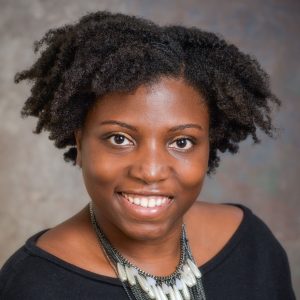
How can schools support collaboration between teachers and paraeducators in special education and inclusive classrooms? According to Tia Barnes, effective collaboration between teachers and paraeducators is a vital but understudied area in creating quality special education classrooms. Barnes is a Foundation for Child Development Promising Scholar and co-principal investigator for the Recognizing Excellence in Learning and Teaching (RELATE) project that examines social interactions including those between teachers and paraeducators in early childhood and K-12 classrooms.
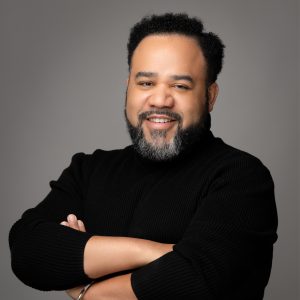
What does it mean to “matter” as a Black boy in the United States? How do both Black and Latino adolescent boys conceptualize their postsecondary futures? Roderick Carey’s research examines the school experiences of Black and Latino boys (18 and under) and how they conceptualize their post-secondary school futures and enact college-going processes. Inspired by Black Lives Matter, and funded by UD’s Partnership for Public Education and the Spencer Foundation, Carey’s new research project, “The Black Boy Mattering Project,” will challenge educators to reflect on their interactions with Black boys in particular and (re)imagine learning contexts that compel these boys to matter abundantly.
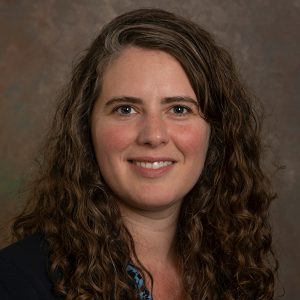
How can we develop programs for autistic youth that foster resilience and facilitate positive development? Sarah Curtiss studies the lived experience of individuals on the autism spectrum, their families, and educational professionals. She uses this research to develop programs and online resources that are useful to autistic youth and their communities on a range of topics including human sexuality education, social skills, family mealtimes and the transition to adulthood.
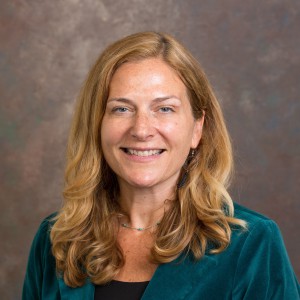
How can we understand the social and social-cognitive factors associated with youth’s psychological, behavioral and social adjustment? Sara Goldstein’s research has focused on the predictors and consequences of gendered aggression, bullying and peer-based harassment. She also examines other aspects of adjustment including academic motivation and achievement, mental health and problem behavior. She is especially interested in the development of these constructs during periods of developmental transition such as early adolescence (as youth move from primary to secondary school) and emerging adulthood (as youth transition to independence from family of origin).
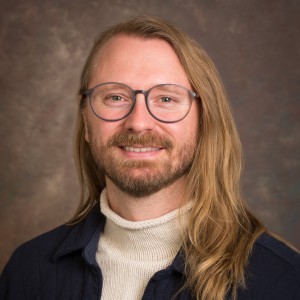
How do we bridge LGBTQ+ developmental research and community impact through developmentally-informed, affirmative interventions? Eric Layland’s research areas include LGBTQ+ within-group differences in mental health and unhealthy substance use, the impact of stigma on LGBTQ+ development, strengths-based approaches to LGBTQ+ health and LGBTQ+ affirmative interventions. Through community partnerships and funding support from the National Institutes of Health, Dr. Layland has led and collaborated on several intervention evaluations.
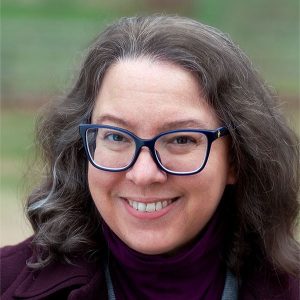
How might students’ in-the-moment emotions and motivation affect their learning? Could a digital environment improve motivation and their in-the-moment decision-making? Teomara (Teya) Rutherford studies how cognitive skills, motivation, and regulation influence student learning. Her most recent National Science Foundation-funded project examines students’ in-the-moment motivations and emotions as they work within a digital mathematics learning platform. Over the course of five years, Rutherford will collect data from more than 30,000 third through fifth-grade students each year.

Dr. Bear’s research focuses on school climate, school discipline, and self-discipline. He has worked as a school psychologist in Iowa, Virginia, and Delaware and has served in multiple leadership positions in school psychology at the national level. He has authored five books, co-edited four others, and published over 100 additional book chapters and articles in peer-reviewed journals. He serves on the editorial boards of School Psychology Quarterly, Journal of Educational and Psychological Consultation, and Journal of School Violence. He is the recipient of the National Association of School Psychologists 2017 Lifetime Achievement Award.
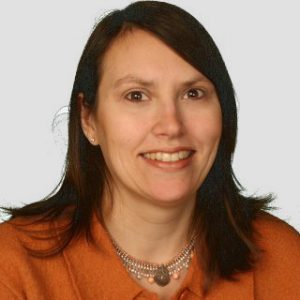
How can we help parents and families, especially those from low-income backgrounds, support children who may be struggling with social-emotional development or academic achievement? Marika Ginsburg-Block’s research focuses primarily on investigating school-based, peer-, and parent-mediated intervention programs for vulnerable youth, while also seeking to better understand the mechanisms that lead to student achievement. Her current work centers on the development of an adequate measure of family early literacy practices and the mechanisms by which families contribute to the development of language and literacy skills in their young children.
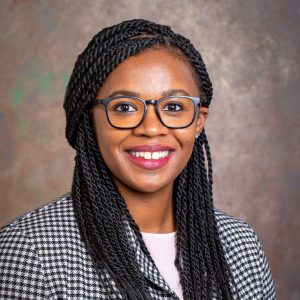
Whitney Polk’s research investigates the educational and social inequities that influence youth development. Her research areas include the impact of school-based marginalization on adolescent academic and psychosocial adjustment, racial disparities in school discipline, school-based mental health, racial stress and trauma and racial literacy development. In collaboration with school and community partnerships, Dr. Polk also develops school-based interventions to support youth well-being and resilience. She is also a National Certified Counselor (NCC), as well as a Licensed Professional Counselor (LPC) and Certified School Counselor in Pennsylvania.
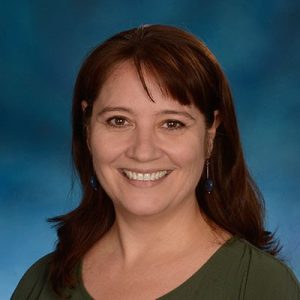
Kristin Scardamalia’s research investigates interventions to reduce exclusionary discipline practices and factors influencing school psychologists’ eligibility determinations. She has also developed training curricula that address cultural inclusiveness in classrooms, gang prevention strategies and educator well-being.
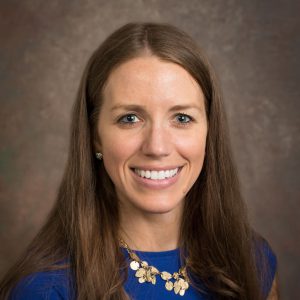
How can we promote students’ and personnel’s mental and behavioral health through multi-tiered systems of support in schools? Brittany Zakszeski’s research leverages advances in implementation science to address barriers to schools’ adoption, high-fidelity implementation and sustained use of evidence-based assessment and intervention practices at the universal (system-wide), targeted and individual levels. In recognition of limited school resources and workforce shortages, she prioritizes refining accessible, efficient and scalable practices. She is particularly committed to promoting equitable outcomes for minoritized students, families and communities.
Funded Research & Engagement
The Feasibility and Efficacy of Mealtimes on the Spectrum: An online toolkit for making mealtimes more meaningful and functional
PI: Sarah Curtiss
University of Delaware General University Research Grant
School-Based Mental Health Promotion in the First State: Building Capacity with Multi-Tiered Systems of Support
PI: Brittany Zakszeski, Co-PI: Marika Ginsburg-Block
United States Department of Education
Assisting Teachers to Support Positive Student Emotions and Motivation While Using Educational Technology
PI: Teomara Rutherford
University of Delaware General University Research Grant
Doctoral Students
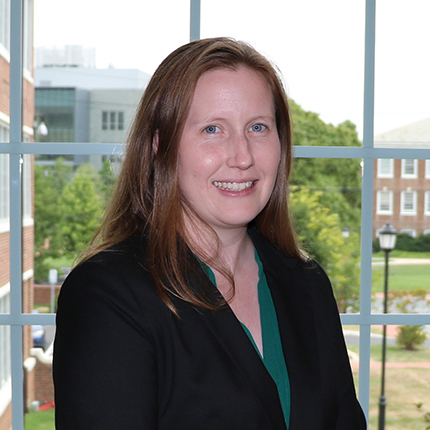
Melissa Stoffers
In the News
Welcoming All Students to College
As summer winds down, rising college freshmen across the country are trading familiar routines for new college campuses, classes and friend groups. While this time is often exciting for new students, the transition can also be challenging for students with disabilities, especially those who also identify as Black or trans. …
Research Spotlight: Mellissa S. Gordon
Growing up as the oldest sibling to a younger brother and sister shaped the way that University of Delaware Associate Professor Mellissa S. Gordon learned to communicate and cope with challenges. As a single parent, her mother often looked to Gordon to set an example and, over time, she found …
Policy and Practice Institute 2026
In partnership with the Delaware Department of Education (DDOE) and the Delaware Association of School Administrators, UD’s School Success Center (SSC) and Partnership for Public Education (PPE), housed within the College of Education and Human Development (CEHD), welcomed nearly 550 educators to the 24th annual Policy and Practice Institute on …
Research Centers & Labs
The Autism in Context Research Lab, directed by Dr. Sarah Curtiss, conducts research that is useful to autistic youth, their families and educational professionals. Research topics have included family mealtimes, sex education and the transition to adulthood.
The Center for Disabilities Studies works to enhance the lives of individuals with disabilities and their families through education, advocacy, service and research. It promotes empowerment and opportunity, accessibility and inclusiveness, so all may fully participate in – and enrich – their communities.
The Rutherford Lab studies the interplay of motivation and cognition in educational contexts: in school and outside of school, in traditional classrooms, and in digital environments.